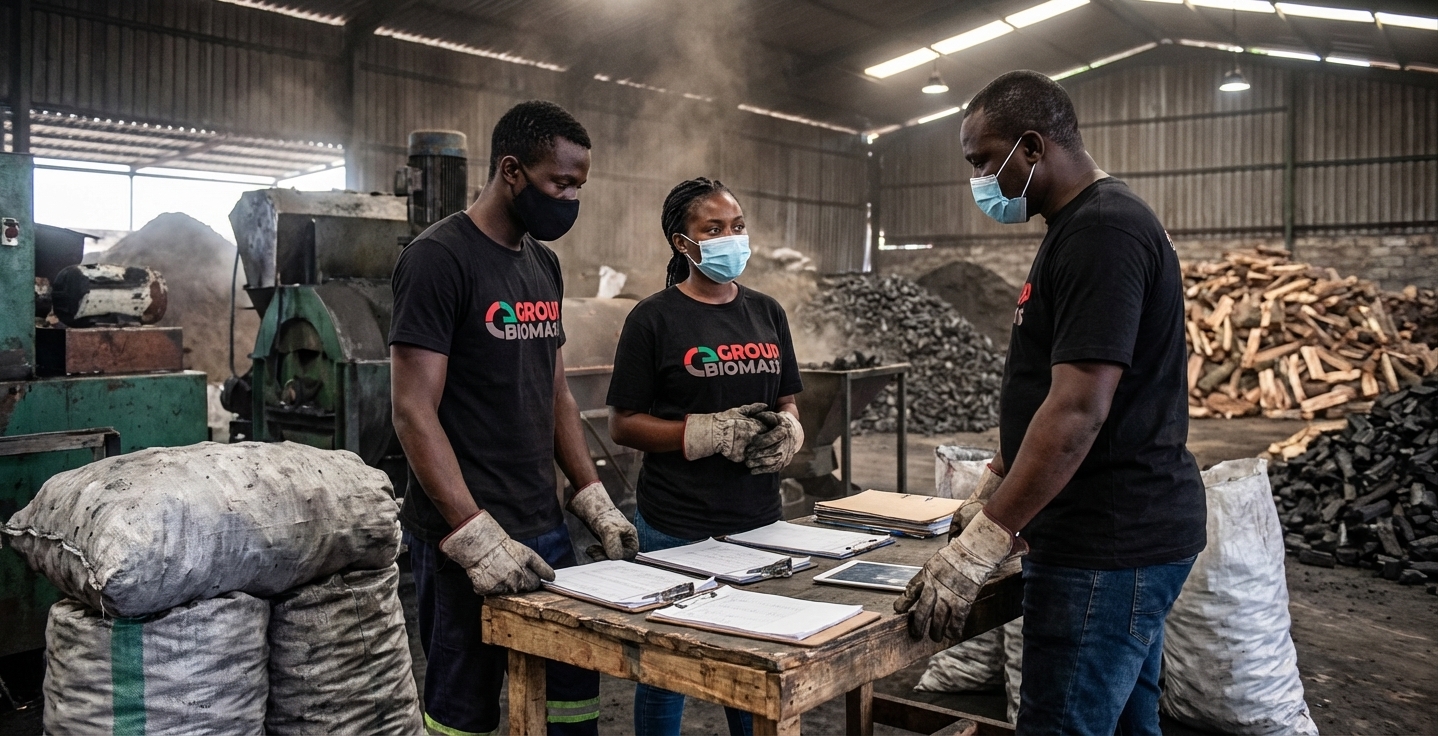
Deep within the nation , a massive operation stands as a representation to the increasing demand for charcoal . This production complex, reportedly the region’s largest wood plant , is raising attention for both its scale and the evident environmental ramifications. While offering jobs for nearby communities, the plant’s operations are triggering questions about ethical forest harvesting and the overall well-being of Cameroon’s woodlands .
Natural Lump Carbon Shipment Boom: The Promising Star
Cameroon is seeing a significant surge in quality lump charcoal shipments, positioning itself as a key player in the global industry. Thanks to growing demand from European US and Asian markets, the nation’s output of this sustainable fuel is steadily increasing, offering new opportunities for local populations and supporting the country's prosperity. The priority on environmentally friendly wood lump carbon is showing to be a essential element in attracting international customers.
Inside Cameroon’s Hardwood Lump Charcoal Factory: Production & Sustainability
Stepping across a common Cameroon timber lump charcoal factory uncovers a surprisingly straightforward system of production. Green wood, often collected from sustainable forests, are thoroughly cut and carried to a oven. Within this area, the timber is carefully heated with limited oxygen, a method that changes it to lump charcoal. Although the established methods employed can be difficult, more contemporary factories are incorporating improved processes and trying ways to enhance both efficiency and nature responsibility. This covers dedicating in green resources and applying strict scrap control approaches.
Cameroon's Lump Charcoal Sector : A Key Role in International Exports
Despite mounting environmental worries , Cameroon’s charcoal industry remains a surprising yet vital contributor in the global shipment market . The production of charcoal from forest biomass is a essential origin of income for many of the nation's households , particularly in remote areas . This practice generates a substantial quantity of hardwood lump charcoal vs briquettes lump charcoal heading for international markets , often fueling heating needs in other regions, though this need creates problems relating to forest loss and eco-friendly forest stewardship .
Le Choix Entre Charbon de Bois Lump de Bois Dur et Les Briquettes : Un Point de Vue Camerounaise
En Cameroun, , le sélection face à le combustible de bois lump et les combustibles pose une question . Habituellement, le combustible de bois a toujours été utilisé afin de ses goût distinctif et son qualité à produire une température intense , parfaite pour les rôtisseries régionales. Cependant, , les combustibles, davantage pratiques de acquérir et moins chères , attirent en attention, particulièrement auprès les communautés urbaines .
Sustainable Charcoal Production : The Future of Cameroon's Hardwood Industry
The current method of charcoal production in Cameroon presents a serious threat to its valuable hardwood woodlands . However, emerging sustainable practices offer a promising path forward. These encompass technologies like agricultural waste conversion and improved earth kilns , which lessen deforestation, decrease emissions, and create livelihood opportunities for local villagers. Embracing these sustainable alternatives is crucial to safeguarding Cameroon's precious heritage and ensuring the long-term viability of its hardwood sector while tackling climate concerns.